What Is Aronia Melanocarpa & Why Is It Studied?
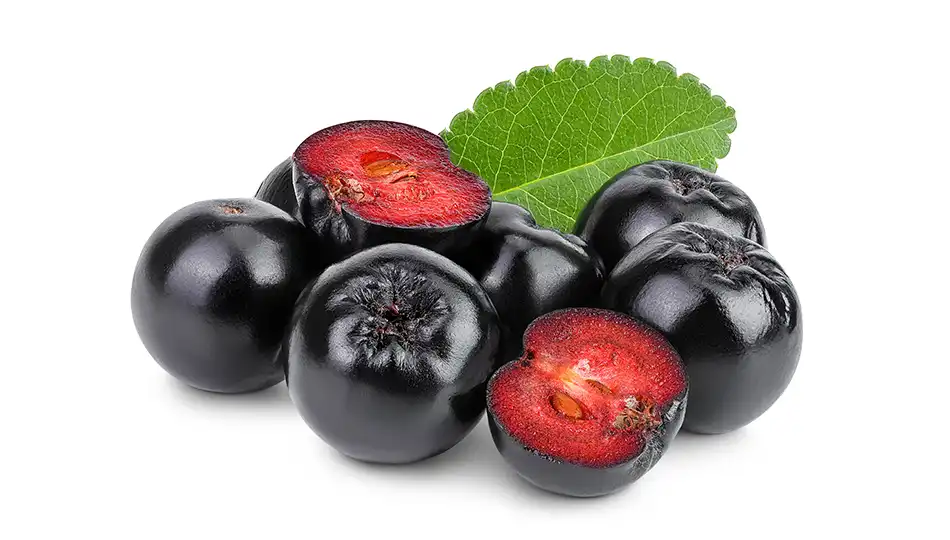
Aronia melanocarpa, also known as black chokeberry, is a dark-coloured berry rich in plant compounds including:
⚬ Anthocyanins & flavonoids
⚬ Procyanidins and other polyphenols
⚬ Compounds studied in oxidative-stress, inflammatory and metabolic biology
Its polyphenol-rich composition has made Aronia a subject of laboratory and human research. Clinical effects, however, vary by preparation, dose, study population and outcome measured.
Aronia, Polyphenols & Oxidative-Stress Research
Aronia polyphenols are studied in biological processes involving:
⚬ Oxidative-stress and cellular-redox pathways
⚬ Inflammatory signaling and antioxidant-enzyme activity
⚬ Cellular processes involving mitochondrial and metabolic function
These mechanisms are relevant to healthy-aging research, but antioxidant activity in laboratory or biomarker studies does not by itself demonstrate prevention of cellular aging or age-related disease in humans.
Human Research on Aronia Melanocarpa
(1) Cardiovascular & Vascular Research
⚬ Clinical studies have examined blood pressure, lipid profiles and vascular-related markers
⚬ Results differ between studies and populations
⚬ Current evidence does not establish that Aronia prevents cardiovascular disease
(2) Inflammation & Oxidative-Stress Research
⚬ Human studies have evaluated inflammatory biomarkers and antioxidant-enzyme activity
⚬ Some studies report changes in selected markers, while findings are not consistent across all outcomes
⚬ These findings do not establish an immune-boosting or disease-prevention effect
(3) Glucose & Metabolic Research
⚬ Aronia has also been studied in glucose, lipid and metabolic outcomes
⚬ Evidence remains mixed and may differ according to baseline health, formulation, dose and study duration
⚬ Research findings should not be interpreted as established treatment for metabolic disease or weight management
What Reviews of Human Aronia Research Show
Systematic reviews have examined Aronia across cardiovascular, metabolic, inflammatory and oxidative-stress outcomes. The overall human evidence remains mixed, with differences in formulations, doses, populations and study quality.
A recent meta-analysis of randomized controlled trials found no significant overall improvement across the cardiometabolic outcomes evaluated and rated the certainty of evidence as very low. Other reviews report changes in some oxidative-stress or inflammatory markers, but results vary and require further confirmation.
Review the cardiometabolic systematic review and meta-analysis and review research on oxidative stress and inflammation.
Current evidence does not establish that Aronia prevents chronic disease, protects against neurodegeneration or provides a clinically demonstrated “detoxification” effect.
Aronia Extract in AgeReverse Resurge
AgeReverse Resurge includes Aronia melanocarpa extract in the context of research into polyphenols, oxidative stress, inflammatory signaling and metabolic biology.
Ingredient-level research does not establish that the finished Resurge formulation protects cells from aging, improves cardiovascular health, reduces inflammation, enhances immune function or extends longevity.
Explore the broader research context for ingredients in Resurge.
Aronia Melanocarpa in Healthy-Aging Research
Aronia melanocarpa, or black chokeberry, contains anthocyanins, procyanidins and other polyphenols that are widely studied for their antioxidant and redox-related properties.
Laboratory, animal and human studies have explored Aronia in relation to oxidative stress, inflammatory signaling, metabolism and cardiovascular biomarkers. Human findings remain heterogeneous, and evidence from biological mechanisms or individual biomarkers should not be interpreted as proof that Aronia slows aging, prevents disease or extends healthspan or lifespan.
AgeReverse™ includes Aronia melanocarpa in the context of this ongoing research. Evidence concerning an individual ingredient should be distinguished from demonstrated clinical effects of the finished formulation.
Research into the interconnected biology of aging continues to examine nutrition, metabolism, cellular stress responses and other pathways. These areas provide scientific context for formulation research without establishing that a supplement reverses aging or restores youthful biological function.
Continue Exploring Aronia Research
Continue exploring research into Aronia melanocarpa, polyphenols, oxidative stress, inflammatory signaling and metabolic biology. Current evidence does not establish that Aronia or AgeReverse Resurge prevents disease, detoxifies the body, slows aging or preserves youthfulness.
Explore the Science of Healthy Aging
Continue exploring the latest research into the biological mechanisms associated with aging, longevity and cellular health.
Related research: Explore NAC and glutathione research, the broader health research on Resveratrol, and Noni Berry and nitric oxide.